

April 12, 2026, The Second Sunday of Easter
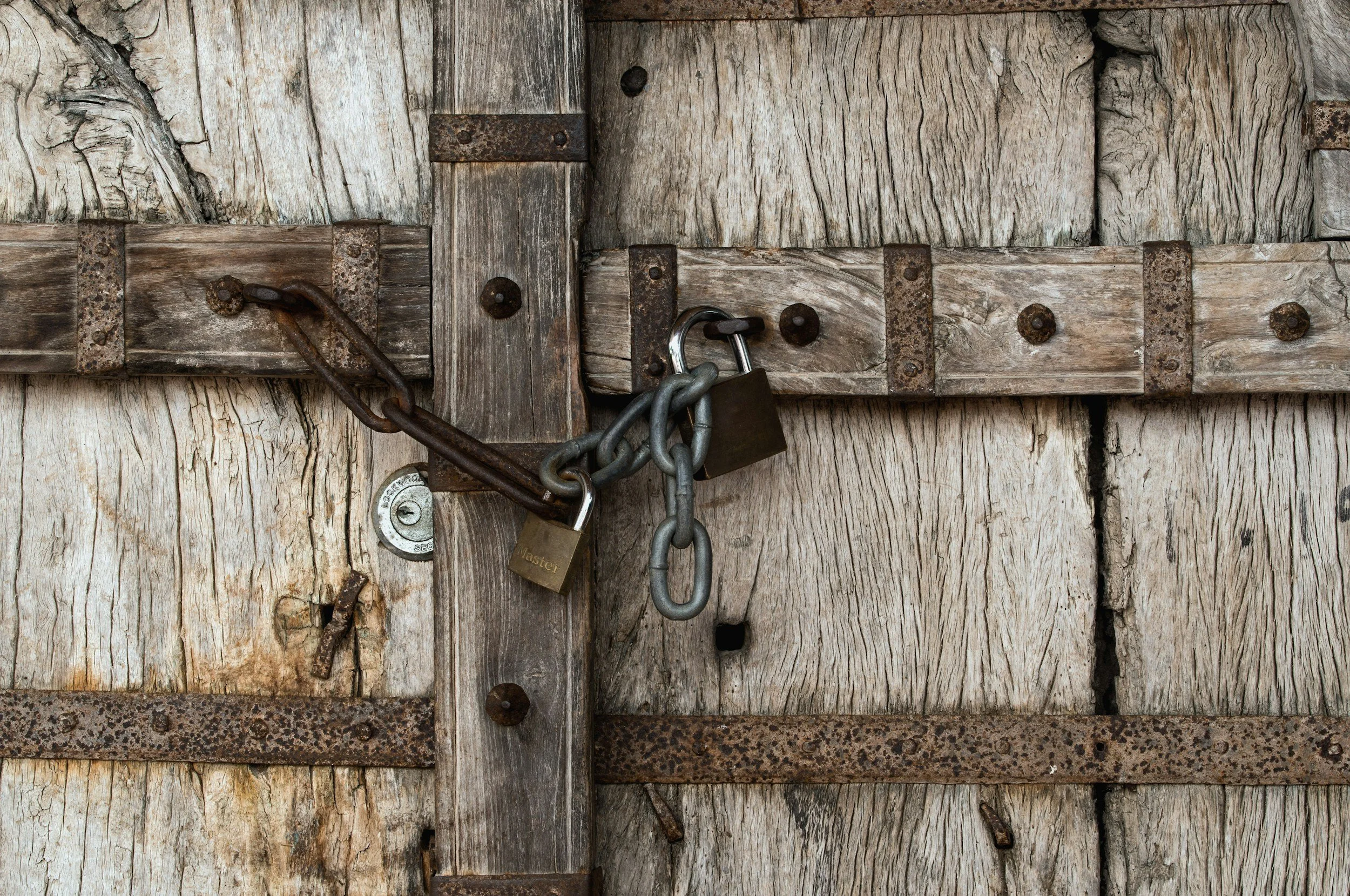
The doors are locked.
That’s how today’s Gospel begins. The disciples are gathered—not in triumph, not in celebration—but in fear. The doors are locked because the world outside feels dangerous. Uncertain. Hostile. Everything they thought they knew has been shaken. The cross has undone their expectations. The resurrection—if they even dare to believe it—still feels too new, too fragile, to trust.
And into that locked room—into that fearful space—Jesus comes and stands among them.
“Peace be with you.”
But Thomas is not with them. When he returns and hears the others’ testimony, he cannot accept it at face value.
“Unless I see… unless I touch… I will not believe.”
It’s easy to be hard on Thomas. Over the centuries, his name has become almost synonymous with doubt—as though doubt were a failure of faith, something to be ashamed of.
But Thomas may be the most honest disciple in the room. He refuses to pretend. He won’t claim more than he can truly believe. He names the gap between what he hopes is true—and what he can actually trust.
And if we are honest, Thomas speaks for us. Doubt is not foreign to the life of faith; it is often woven into it.
I know that not just from Scripture, but from my own life.
There was a time, on my path toward ordained ministry, when I thought I knew what the journey would look like. I had a plan—a sense of direction, of calling, of how things were supposed to unfold. It all seemed clear, or at least clear enough.
But life, as it so often does, did not follow that plan.
Some of that divergence came through my own choices—decisions that complicated things and pulled me in directions I hadn’t intended. Some came through circumstances entirely outside my control: closed doors, unexpected detours, moments when what I thought was certain suddenly wasn’t.
In that space, doubt crept in. Not just small questions, but deeper ones: Had I heard God rightly at all? Was I worthy of the call I thought I had received? Was God truly at work in my life—or had I mistaken my own desires for divine direction?
Fear then followed close behind. Fear has a way of amplifying doubt—taking uncertainty and making it heavier, darker. It clouded my perception and made it harder to see how God might be moving in, around, and through me.
In those moments, I felt a lot like those disciples behind locked doors—unsure, unsettled, trying to make sense of a story that no longer fit the way I expected.
Then, four years ago, uncertainty took on a more visceral form.
I was diagnosed with Stage Three Testicular Cancer.
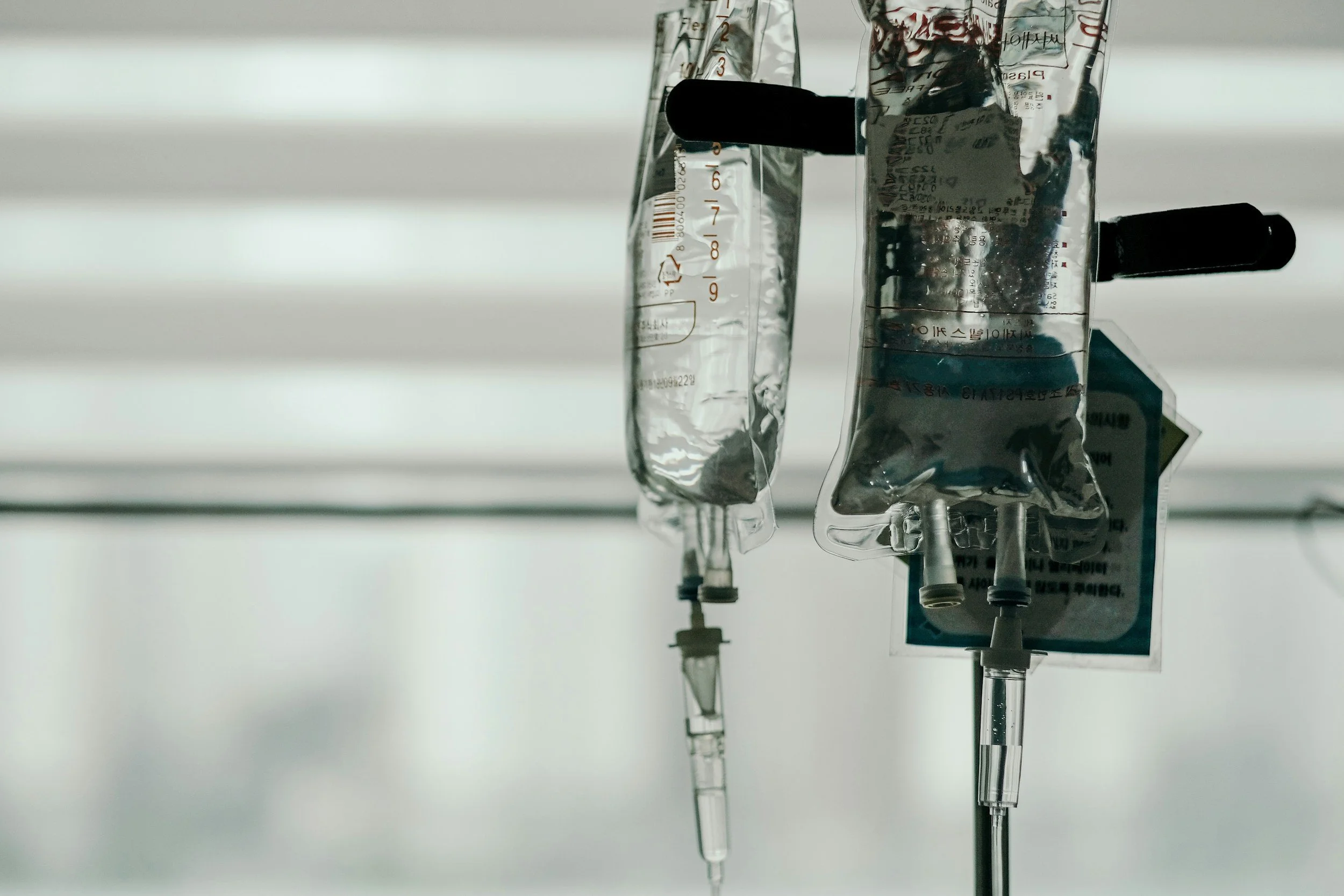
On paper, it was what some would call a “good cancer to have”—if such a thing can ever truly be said. It was highly treatable, with a cure rate around 95%. The prognosis was strong, and the path forward was straightforward: chemotherapy, treatment, healing.
And yet doubt returned.
Statistics do not quiet the human heart. A 95% cure rate still leaves 5%. A clear plan still leaves unknowns. And underneath every reassurance is the same question: What if?
What if things don’t go as expected?
What if something goes wrong?
What if I lose more than I am prepared to lose?
Fear rose to the surface—fear not only of illness, but of loss: loss of health, of stability, of the life I thought I was living.
And alongside that fear came something else: guilt.
I also carried guilt: that I was receiving treatment that would likely heal me while others faced diagnoses with no cure on the horizon. My suffering was real, but it felt somehow lighter than the suffering of others. I wrestled with the fact that I would probably be restored while others might not.
All of it opened deeper questions—about fairness, about grace, and about how God’s presence is known in a world where healing is not evenly distributed.
But here is what I have come to understand, through both of those experiences—through the winding path to ministry and through the valley of illness:
My doubts were not dismissed by Christ.
They were borne by him.
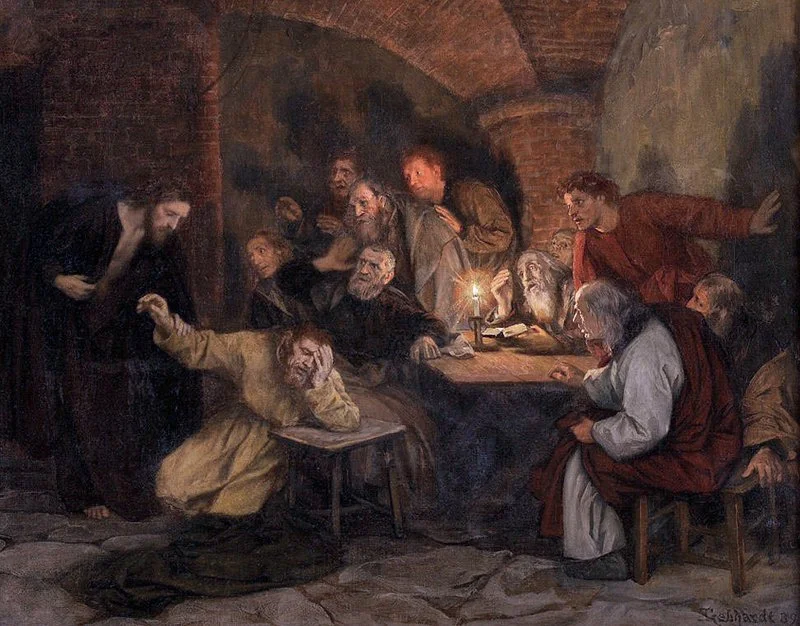
Gebhardt, Thomas von. Thomas the Doubter, from Art in the Christian Tradition, a project of the Vanderbilt Divinity Library, Nashville, TN. https://diglib.library.vanderbilt.edu/act-imagelink.pl?RC=58314
When Jesus returns a second time, Thomas is there. And what does Jesus do? He does not scold or shame him. He does not say, “How could you doubt me after all you’ve seen?”
Instead, he offers himself.
“Put your finger here. See my hands. Reach out your hand and put it in my side.”
Jesus meets Thomas exactly where he is—not where he should be, not where others are, but where he is. He answers doubt with presence, questions with invitation, and fear with wounded, living flesh.
And that, I think, is the heart of this Gospel.
Faith is not the absence of doubt.
Faith is the willingness to bring our doubt into the presence of Christ.
In both of the defining struggles I’ve shared—the uncertainty of my call and the upheaval of cancer—I never arrived at a perfect, doubt-free certainty. There was no moment when all the questions vanished and all the fears were neatly resolved.
Instead, I found something quieter—and more enduring.
I found Christ present within the doubt—not removing it entirely, but holding it, carrying it, bearing it alongside me.
I met Christ in unexpected conversations—words that brought clarity when I needed it most.
I met Christ in people who stayed close when the path felt uncertain.
I met Christ in the skilled hands of doctors and nurses—treating me with care and compassion.
I met Christ in prayer—prayer that didn’t erase fear, but steadied me within it.
Christ was there—not as a distant answer, but as a present companion.
The risen Christ still bears wounds. That is one of the most striking details in this story. Resurrection does not erase the marks of suffering. It transforms them. The wounds remain—not as signs of defeat, but as signs of love that has gone all the way through death, and come out the other side.
And those same wounded hands are extended to Thomas.
And to us.
So, when doubt comes—and it will—bring it into the presence of the risen Christ. Bring your questions. Bring your fears. Bring your uncertainty, just as it is. And no matter when those doubts surface—in your thoughts, your prayers, or your heart—Christ is already there, meeting you with patience, mercy, and love.
And he still speaks the same words:
“Peace be with you.”
Not peace as the absence of struggle, but peace as the presence of Christ within it. And so, this week, I invite you to do something simple, but profound.
Take one doubt you carry—one question, one fear, one place of uncertainty—and offer it to Christ in prayer. Don’t force a solution; simply place it before him.
And then listen.
Not necessarily for answers, but for presence.
Because the good news of Easter is not that we will always understand.
It is that we are never alone.
The doors may still be locked.
The questions may still linger.
The wounds are most certainly still visible.
But Christ stands among us anyway.
And he says:
“Peace be with you.”