

July 19, 2026, The Eighth Sunday after Pentecost
The Wheat and the Weeds: Living in Hope
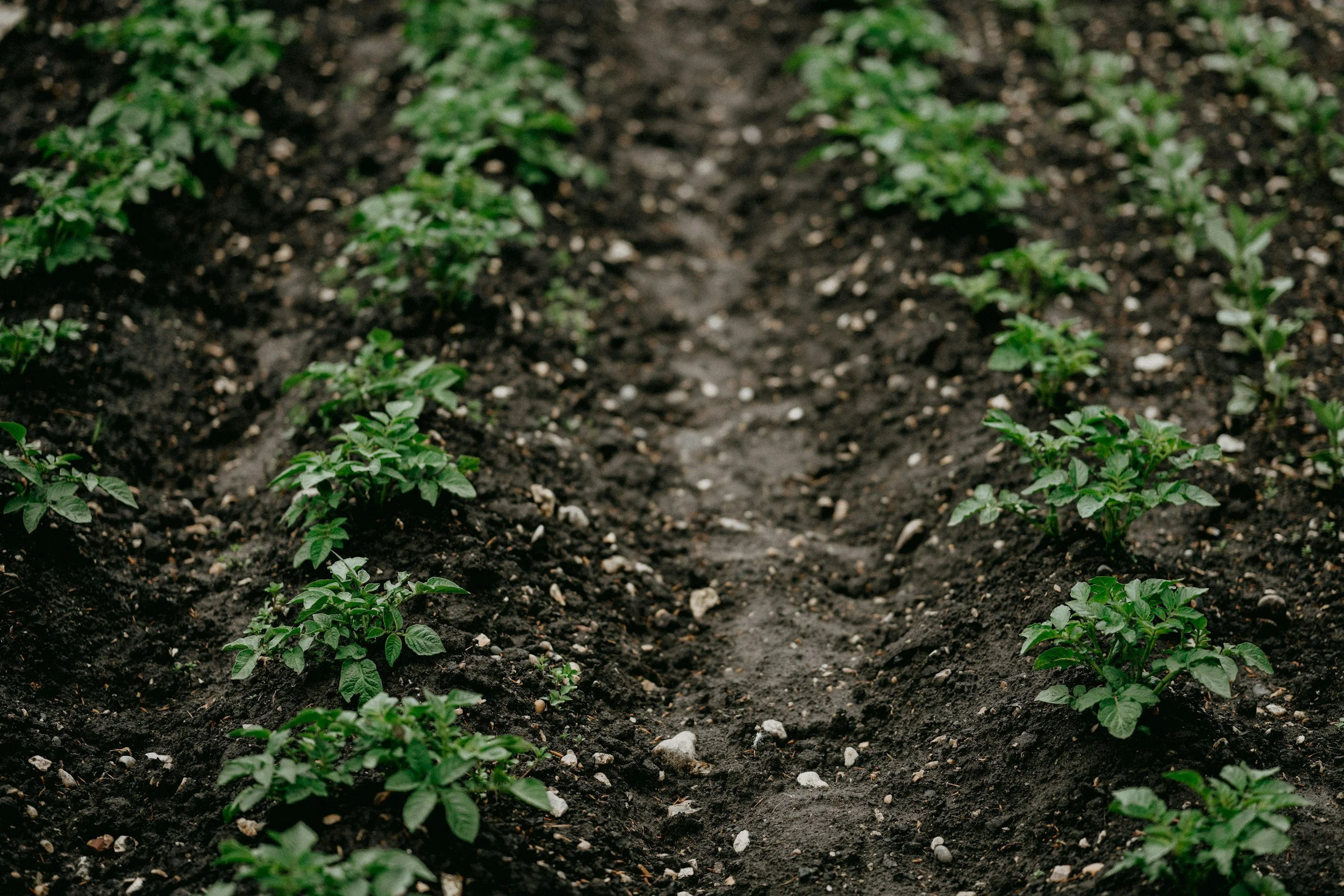
One of the hardest things God asks of us is not to act, but to wait—to trust that something holy may be growing long before we can see it.
A number of years ago, while we were still in Idaho, I asked a parishioner who farmed potatoes what he considered the greatest challenge of farming. Having grown up in the concrete jungle of greater Boston, I expected him to say drought, hail, or low potato prices. Instead, he simply replied, “Waiting.” Waiting for seeds to sprout. Waiting for rain. Waiting for the harvest. Waiting and trusting that what is hidden beneath the soil is still the work of life. Perhaps that captures something of the Christian life as well.
We live in a world where goodness and evil grow side by side. We pray for justice, but injustice persists. We long for peace, but wars continue. We seek holiness, yet find sin and brokenness even within ourselves. We ask God, “Why do you not do something about all of this?”
Today’s readings speak directly into that tension. In the Gospel, Jesus tells the parable of the wheat and the weeds. A farmer sows good seed, but an enemy comes by night and scatters weeds among the wheat. When both begin to grow, the servants are alarmed.
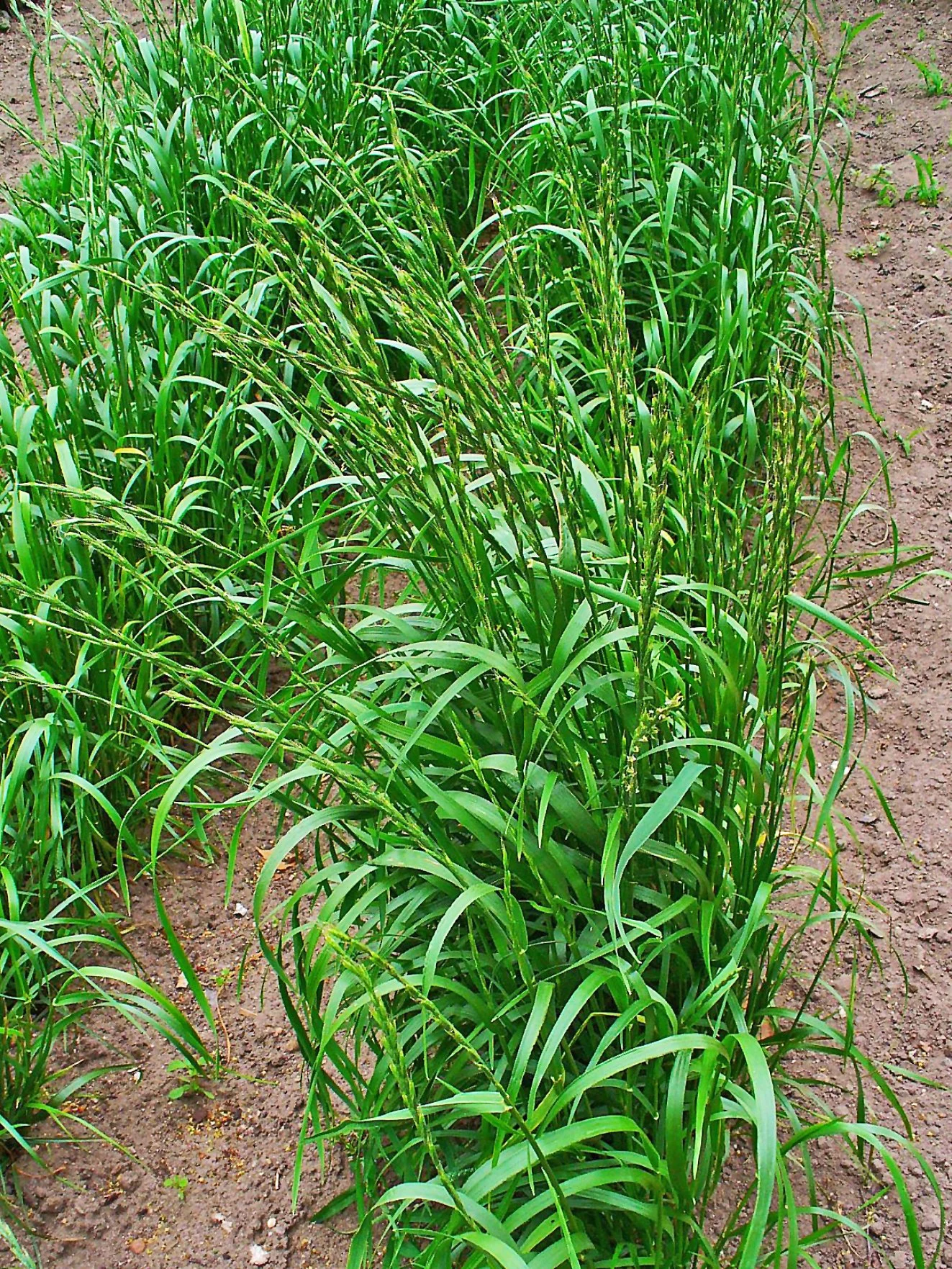
Darnel - By H. Zell - Own work, CC BY-SA 3.0, https://commons.wikimedia.org/w/index.php?curid=10626274
“Do you want us to go and gather them?” It seems reasonable: pull out the weeds, get rid of what is bad, separate the righteous from the unrighteous now. But the master says no: “Let both of them grow together until the harvest.”
It is a deeply unsettling answer because we want clarity and immediate justice. Yet Jesus tells us that the Kingdom of God unfolds differently. God’s patience is longer than ours, God’s mercy is wider than ours, and God’s timing is not our own.
For one thing, Jesus reminds us that things are not always as simple as they appear. In the ancient world, the weed he refers to was likely darnel, a plant that looked remarkably like wheat in its early stages. To pull one up too soon risked uprooting the other.
How often have we misjudged people? How often have we assumed someone was beyond redemption, only to witness grace transform them?
The truth is that all of us are still growing. The line between wheat and weeds does not simply run between “good people” and “bad people.” As Aleksandr Solzhenitsyn observed, “If only there were evil people somewhere insidiously committing evil deeds, and it were necessary only to separate them from the rest of us and destroy them. But the line dividing good and evil cuts through the heart of every human being. And who is willing to destroy a piece of their own heart?” He continues, “During the life of any heart this line keeps changing place; sometimes it is squeezed one way by exuberant evil and sometimes it shifts to allow enough space for good to flourish. One and the same human being is, at various ages, under various circumstances, a totally different human being. At times he is close to being a devil, at times to sainthood. But his name doesn’t change, and to that name we ascribe the whole lot, good and evil.”
There are places in our hearts where grace is flourishing, and places still tangled with resentment, fear, selfishness, and sin. And yet God does not abandon the field.
This is not simply a story about judgment; it is also a story about mercy. God gives time for repentance, transformation, and grace to do its hidden work. Perhaps that is exactly what Saint Paul is speaking about in Romans. Paul tells us that creation itself is waiting: “The whole creation has been groaning in labour pains until now.” We groan under suffering, injustice, grief, illness, disappointment, and death. We know things are not as they should be. But Paul insists these are not the groans of despair; they are labour pains, the pains of something new being born.
The Christian life is, in many ways, the art of holy waiting. We live in what theologians often call the “already and not yet” of the Kingdom of God. Christ has conquered sin and death, and the Kingdom has already broken into the world; yet the fullness of that victory has not yet arrived.
The wheat is growing, but the harvest is not yet. The resurrection has happened, but creation still groans. We are children of God, but we still await the redemption of our bodies.
That waiting can be difficult, especially when we suffer, when prayers seem unanswered, or when we wonder whether goodness will ultimately prevail. Yet Paul offers hope: “Hope that is seen is not hope.”
Christian hope is not optimism. It is not pretending everything is fine. It is the stubborn conviction that God is still at work even when we cannot yet see the harvest—like seeds hidden beneath the soil, wheat slowly growing among weeds, or labour pains before new life emerges.
This is an important word for the Church in our time. Many other congregations worry about the future: declining numbers, aging memberships, social divisions, and growing secularization. We too may be tempted to despair.
But Jesus reminds us that the Kingdom often grows quietly and invisibly. Seeds germinate in hidden places. Grace works in ways we cannot measure. Lives are changed one conversation, one prayer, one act of kindness at a time.
The Church’s task is not to anxiously pull up weeds. Our task is to remain faithful: to sow good seed, to love, to pray, to feed the hungry, welcome the stranger, care for the lonely, and proclaim the Gospel—and then to trust God with the harvest.
That trust also extends to our own lives. Some of us carry regrets. Some of us feel our hearts are too tangled, too broken, too full of weeds. Yet the good news of the Gospel is that God is not finished with us.
God is infinitely patient. As long as there is breath in us, grace continues its work. The saints were not people without weeds; they were people who allowed God, slowly and patiently, to cultivate the wheat. This is why Jesus ends the parable with such a beautiful promise: “Then the righteous will shine like the sun in the kingdom of their Father.”
The weeds do not get the final word. Evil does not win. Suffering, sin, and death do not have the last word. The final word belongs to God, and the final image is not destruction but radiance. The righteous will shine. Creation will be renewed. The groaning of the present age will give way to joy. The harvest will come. Until then, we live by hope. We wait, we trust, and we allow God to be patient with us as we learn to be patient with others.
So let us not lose heart when the field looks tangled, or when the harvest seems far away. Even now, beneath the surface and hidden from our sight, the Kingdom of God is already growing. The field is not empty. The seed is alive. And the Lord of the harvest will not abandon what he has planted.